Introduction
In summer 2024, as part of fieldwork in privacy, AI governance, and security, I visited a number of major institutions across Europe.
The aim was to deepen my understanding of “the atmosphere on the ground” and the policy-formation process — things that cannot be fully grasped from reading legal interpretation alone. I conducted both exterior visits to several institutions and reservation-based interior tours.
Visit Records (August–September 2024)
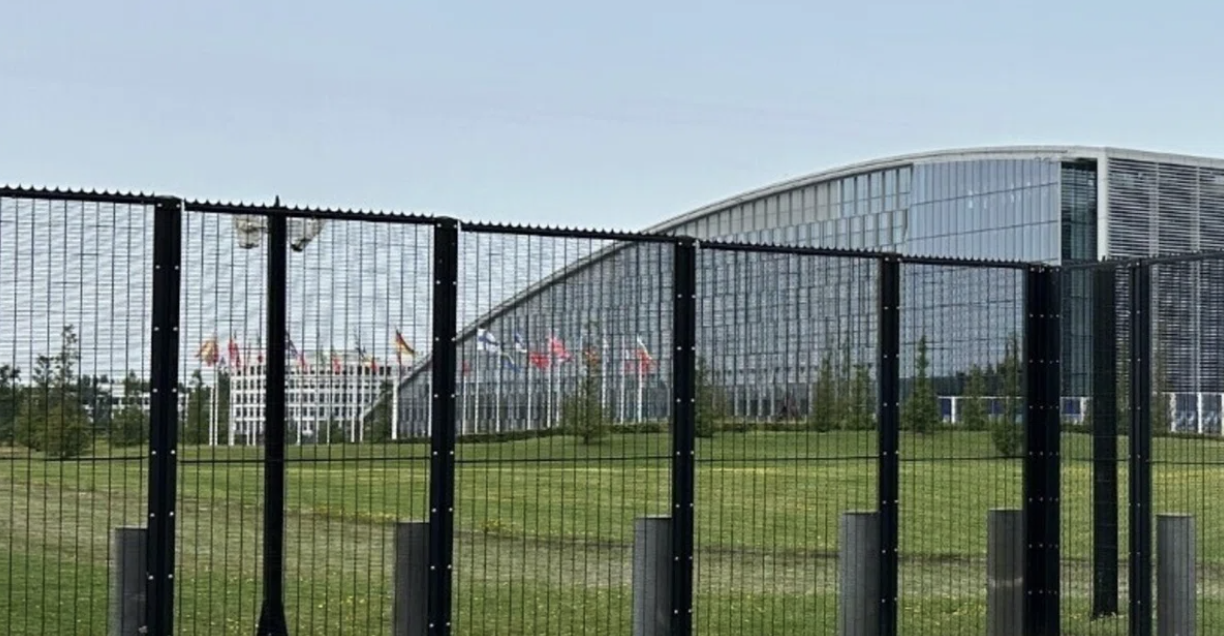
NATO Headquarters (exterior)
Impression: While I was unable to enter the building itself, the imposing atmosphere on site conveyed the sense of mission and presence of an organization at the core of international security. As an institution at the front line of responses to security and threats, it is one I will continue to watch.
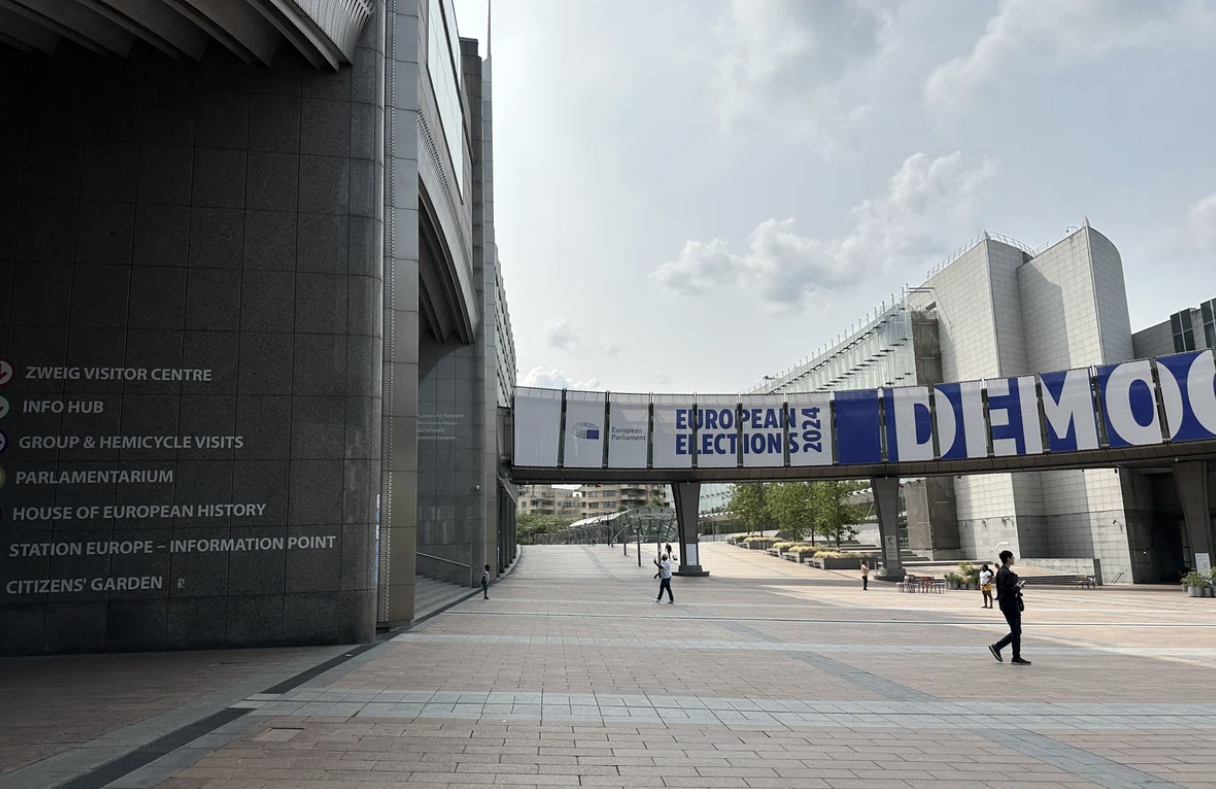
European Parliament
Location: Parlamentarium and related facilities
Content: Through exhibits on its historical background, I gained a sense of the EU’s legislative process and its emphasis on transparency.
The design of the space lets you take a bird’s-eye view of how policy decisions are constructed through exhibits and historical materials, which made the link between the ideal of European integration and the realities of policy formation tangible.
I was also able to ask questions directly about open points on the AI Act — a valuable experience.
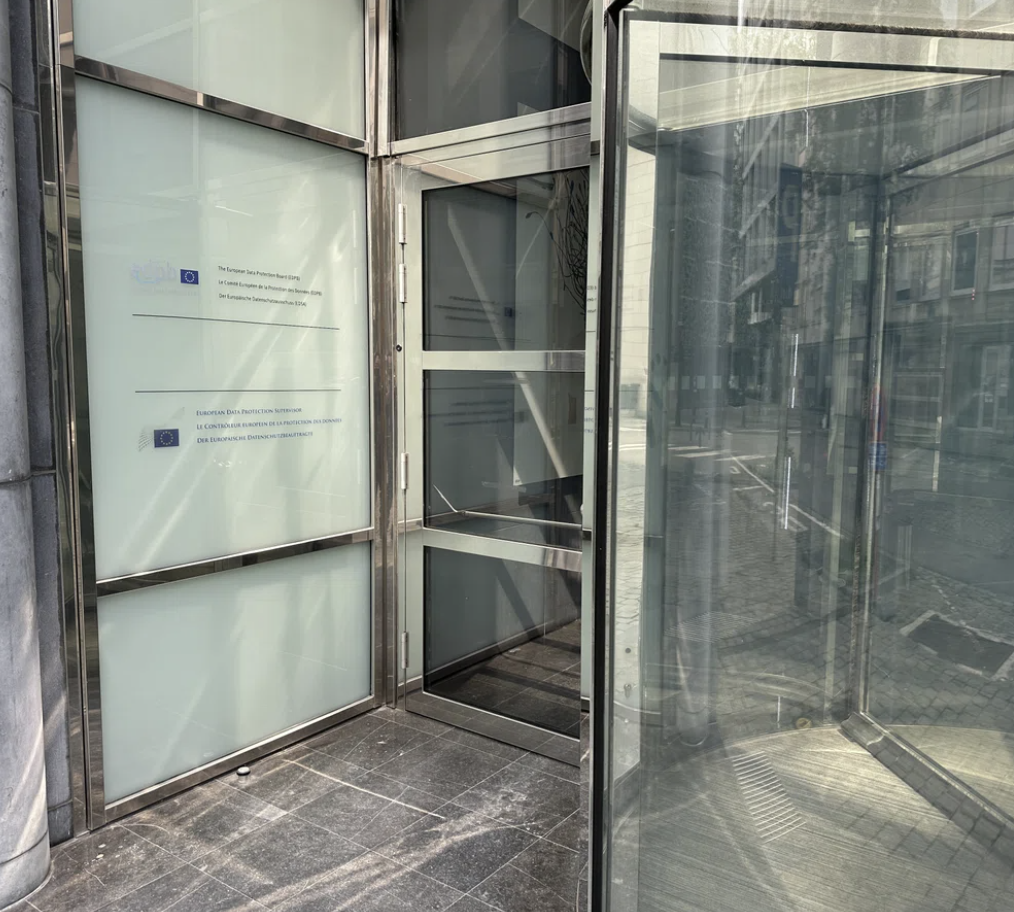
EDPB / EDPS (exterior)
Location: The building housing the EDPB and EDPS (exterior only)
Impression: Although I could not enter, the very fact that the central organizations responsible for the operation and supervision of the GDPR are co-located conveys the strength of the EU’s integrated data protection regime. As I would come to feel later, the physical positioning of these institutions relative to each other carries meaning that you only sense by being there.
Standing in front of the building stirs an imagination of “what is being done inside” that you cannot get from text alone.
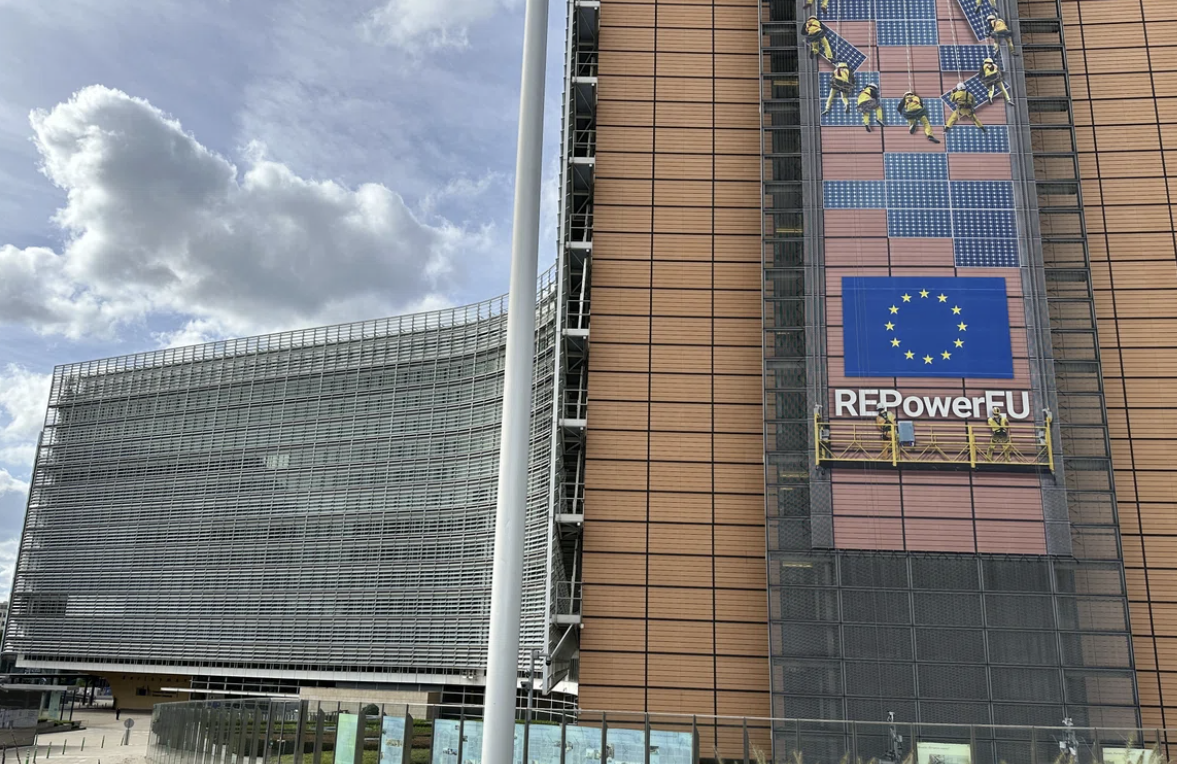
European Commission
Location: The Berlaymont building
Impression: I visited the exterior of the headquarters where the AI Act and GDPR drafts are written. The building itself is a symbolic presence, and the atmosphere of the “command center” leading EU-wide policy formation came through palpably.
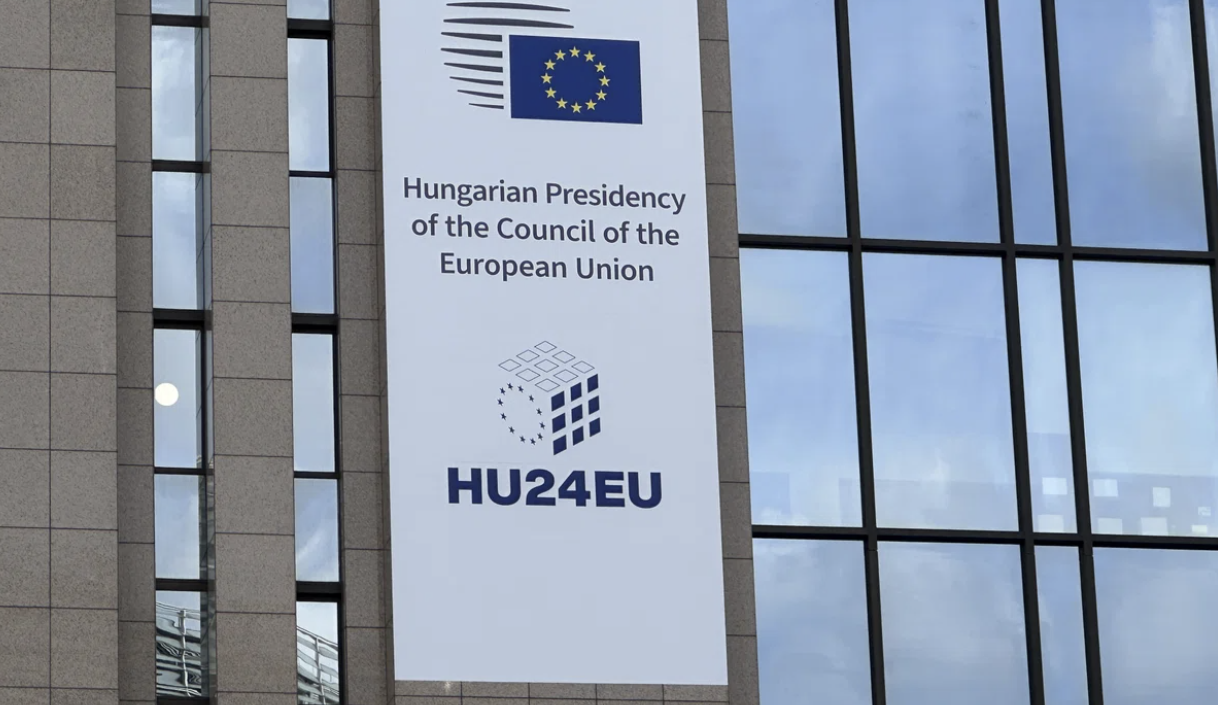
The Council of the European Union
Location: The Europa building
Impression: Located across from the European Commission, this is the body where decisions of major importance — such as the final approval of the AI Act — take place. Being on site made the weight of that role concrete.
Content: I joined a reservation-based interior tour. I was guided through the layout of the meeting rooms, the seating rules for delegations from each member state, and the hall lined with the flags of the EU member states, with explanations of the multi-layered structure of decision-making, including the working parties.
Reflection: The orderliness of the venue and the meticulousness of the protocol struck me as a space that symbolizes the weight of the deliberations and the practical force of the institutions. The way EU thought is built into the structure of the building — the “design philosophy” supporting the institutions, which the exterior alone cannot convey — could be appreciated through the on-site explanations.
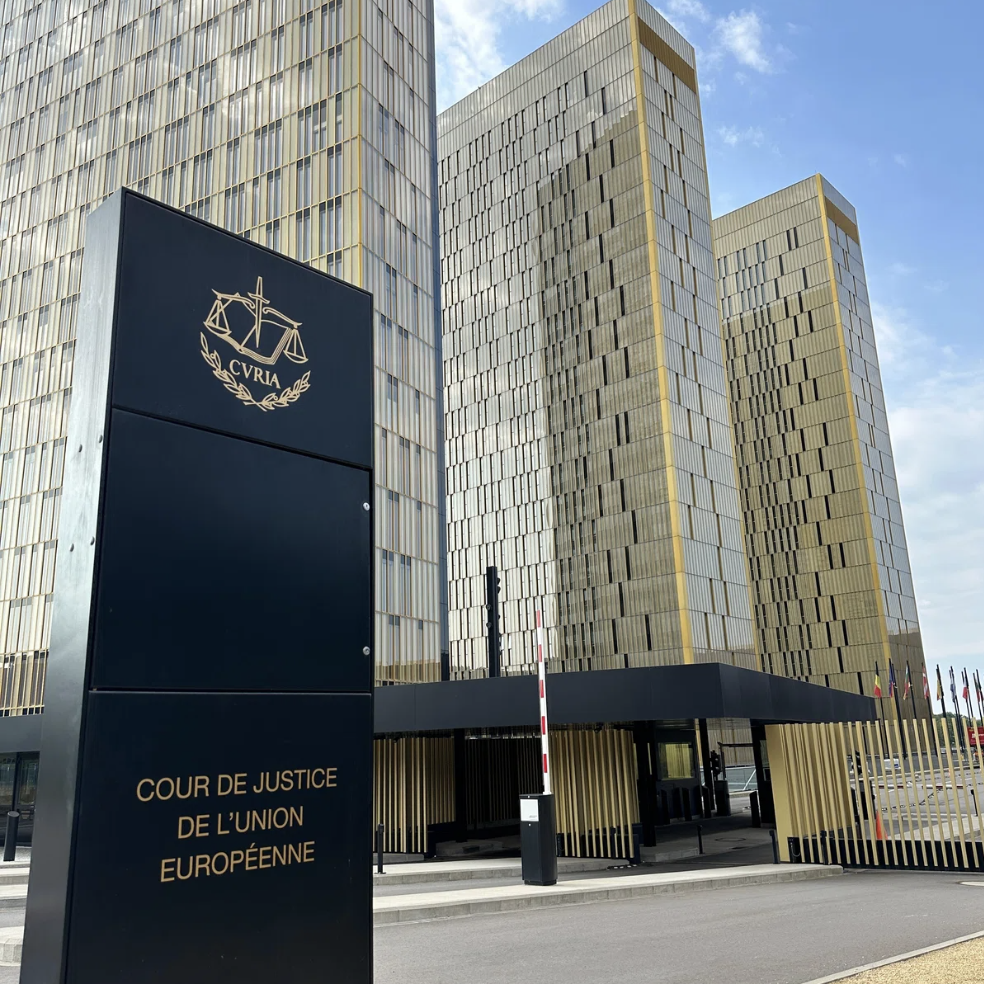
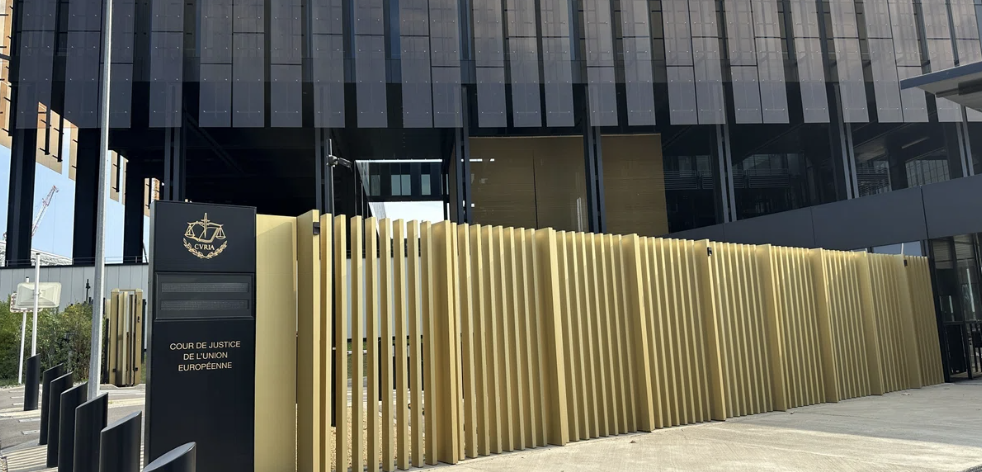
Court of Justice of the European Union (CJEU)
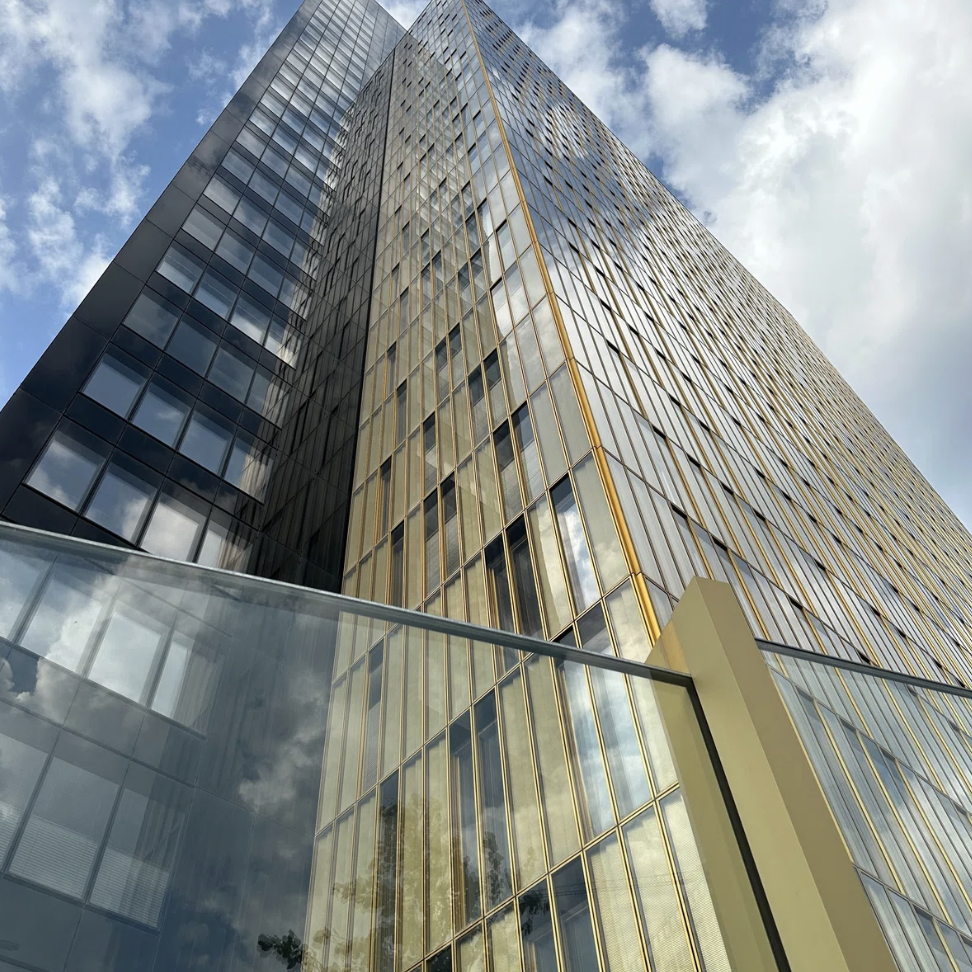
Location: The CJEU in Luxembourg (exterior)
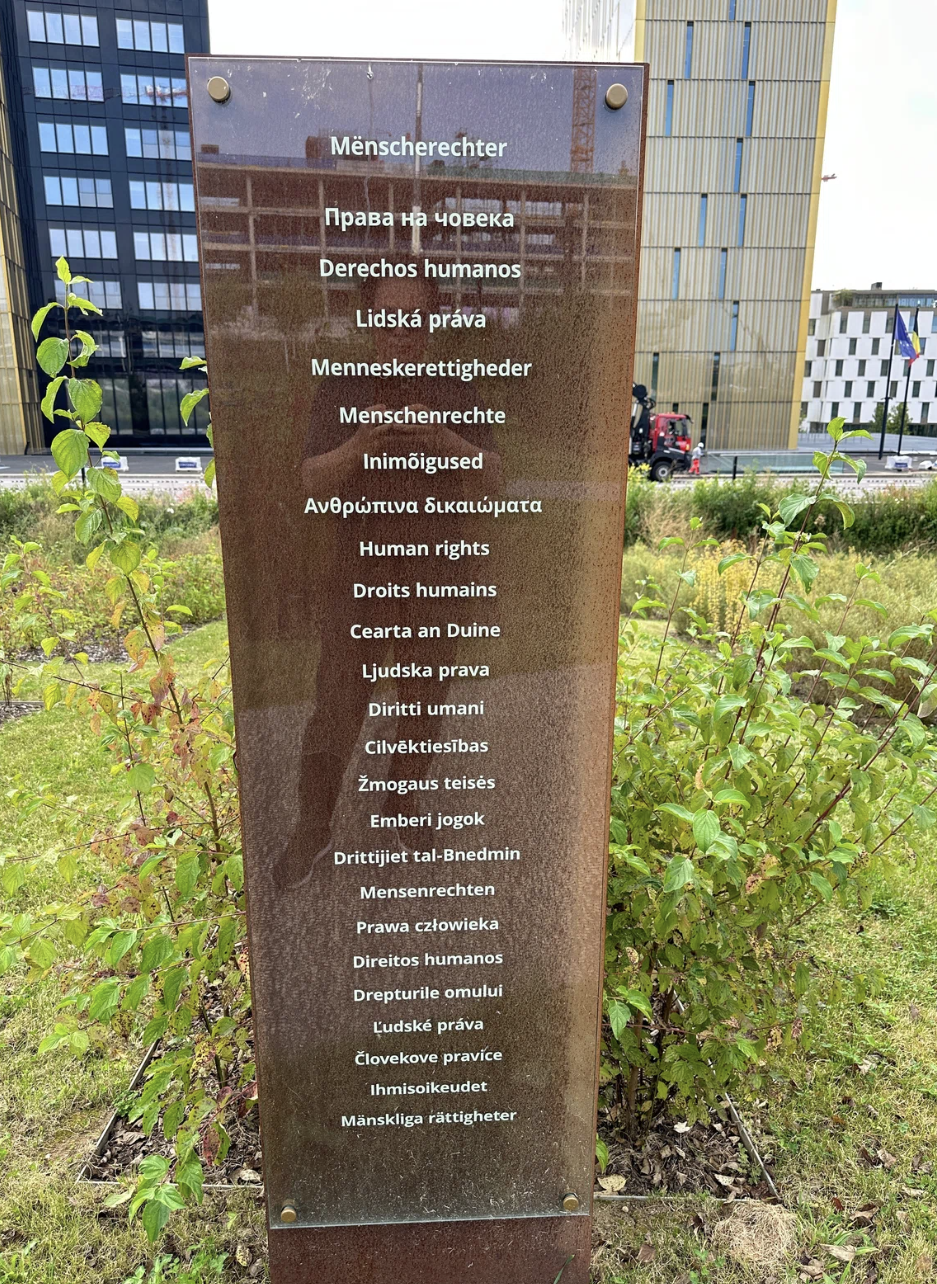
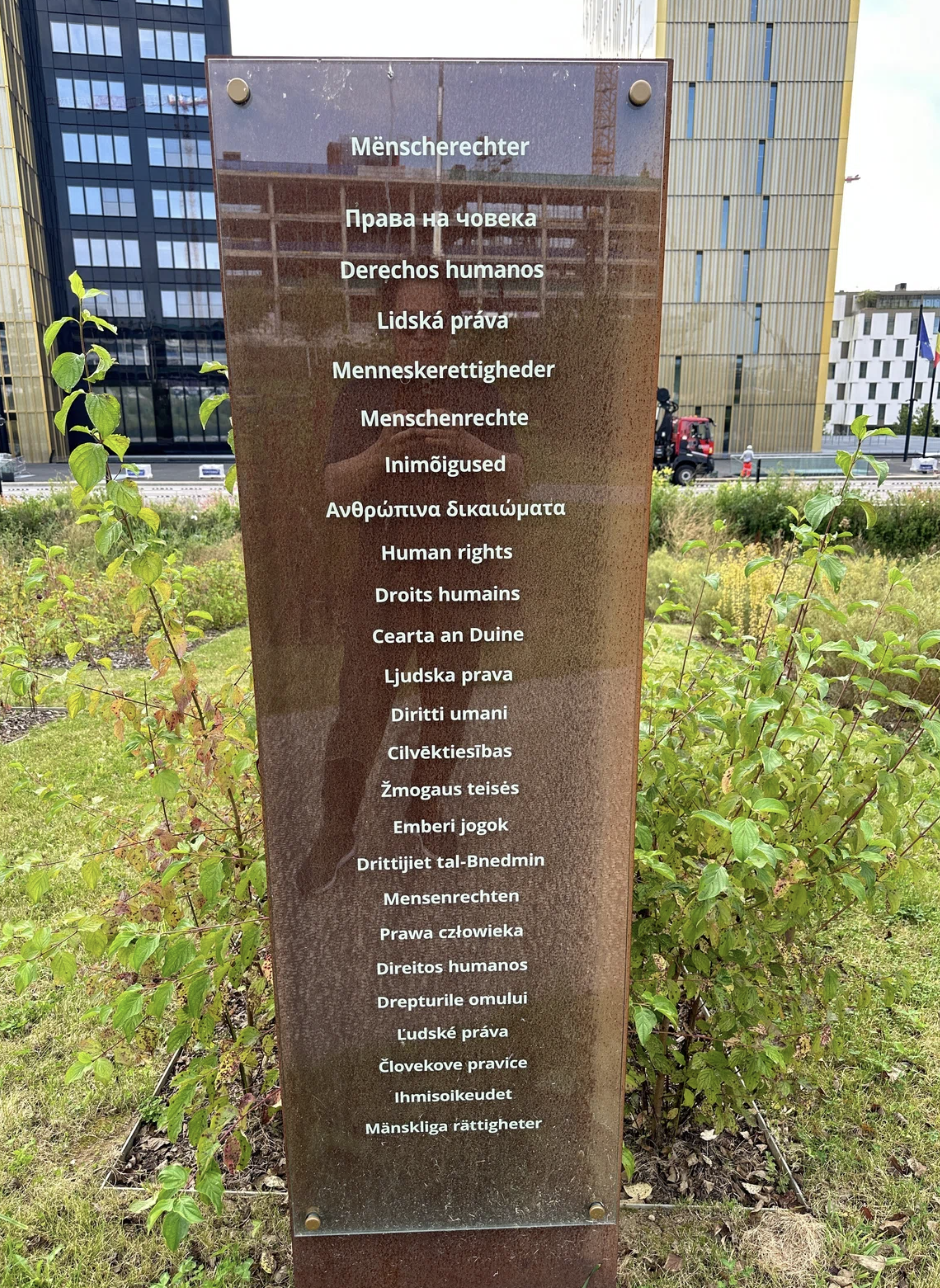
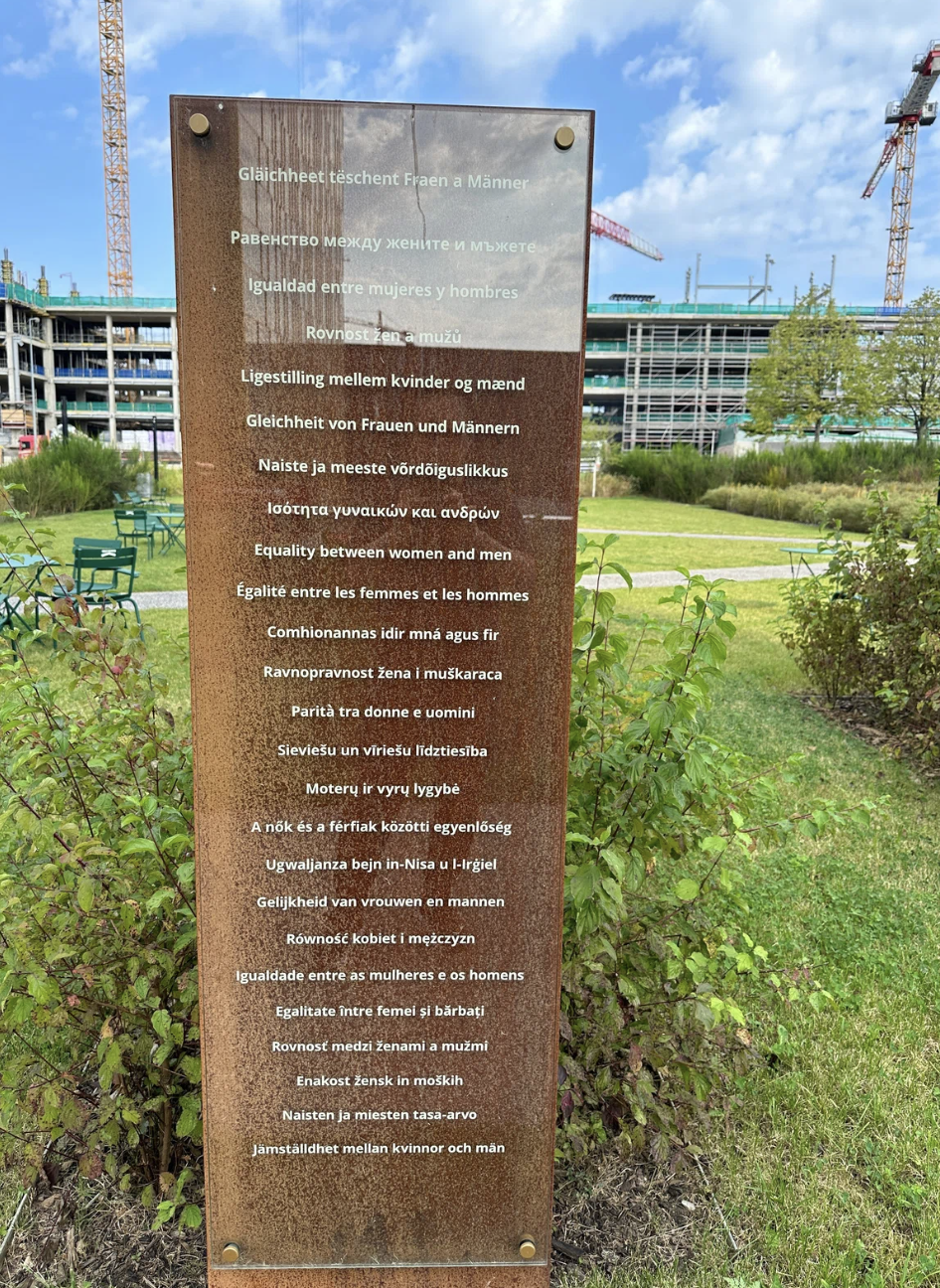
Impression: I knew in advance that this is the venue where well-known judicial decisions are handed down, but actually visiting it impressed upon me — far more strongly than reading about it ever could — the gravity of the place where the front line of legal judgment unfolds. The adjacent park also displays texts representing various strands of EU thinking, and I felt the cultural distance from Japan.
Note: I should have planned more carefully. Because of my hotel arrangements I visited on a Monday and was unable to enter the building. Individual visitors can attend plenary hearings on Tuesday, Wednesday, and Thursday, the days the court is in session. (Group visits appear to be handled differently.)
Summary: Understanding Institutions Through Space and Experience
What I felt most strongly through this visit is that understanding institutions and policies requires an on-the-ground sensibility and a grasp of the underlying values that can never be captured by literature or institutional commentary alone.
The structure of the buildings, the placement of the exhibitions, the protocols, the conduct of the people working there — all of these eloquently speak to the culture and philosophy that underpin the institutions themselves.
In particular, I came away with the following insights:
- In the EU, institutions are designed as a single integrated whole encompassing not just statutes and rules, but also “operations” and “symbolism.”
- From exhibitions and spaces down to the very composition of the buildings, efforts to make transparency and accountability visible are thoroughgoing, and I felt this contributes to building trust in the institutions themselves.
The historical background and approach to institutional design are fundamentally different from Japan.
For example, in the EU, idealistic values such as human rights and freedom are placed at the core of institutions, and institutions function as the means by which those ideals are made concrete.
In Japan, by contrast, institutions are often built as “tools for solving practical problems,” and the difference between the two lies less in structure than in the “source of the thinking.”
What I saw on the ground was a city where multinational, multicultural people intersect on a daily basis, and the institutional attempt to support that.
That said, I personally also felt the balance and tensions that come with it, and the question of how institutions harmonize societal diversity is one I want to continue watching.
Through approximately one month on site, the greatest takeaway was that my perspective on institutions and policy expanded beyond “structure and statutes” to include the points of connection with the society and culture that lie behind them.
Practical Support and Speaking Engagements
The content of this visit translates into practical support in the following forms:
- Support for GDPR and AI Act compliance posture
- Risk assessment design informed by international legal trends
- Lectures and training (universities and corporations)
If you are interested, please reach out via the contact form.
This article represents the personal views of the author based on information available as of September 2024, and does not represent the views of any affiliated or related organization.